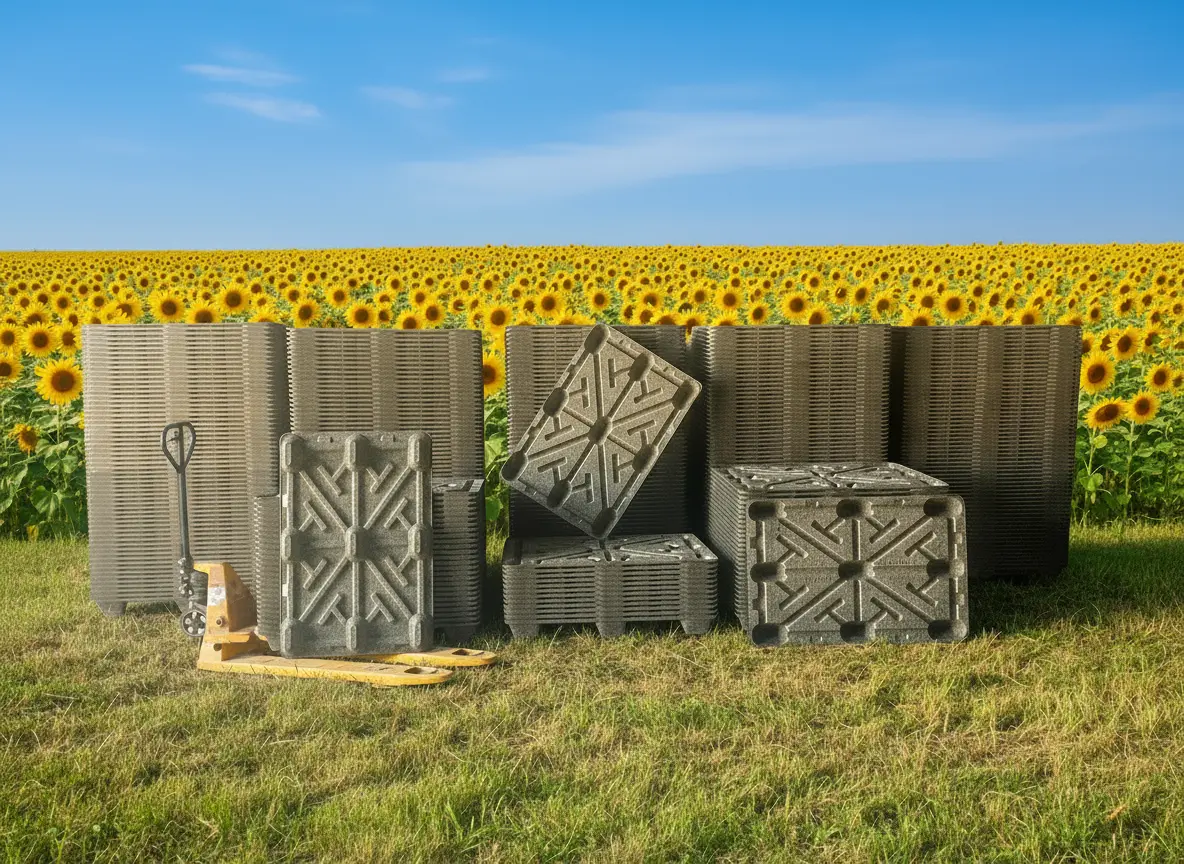
Agricultural biomass instead of wood
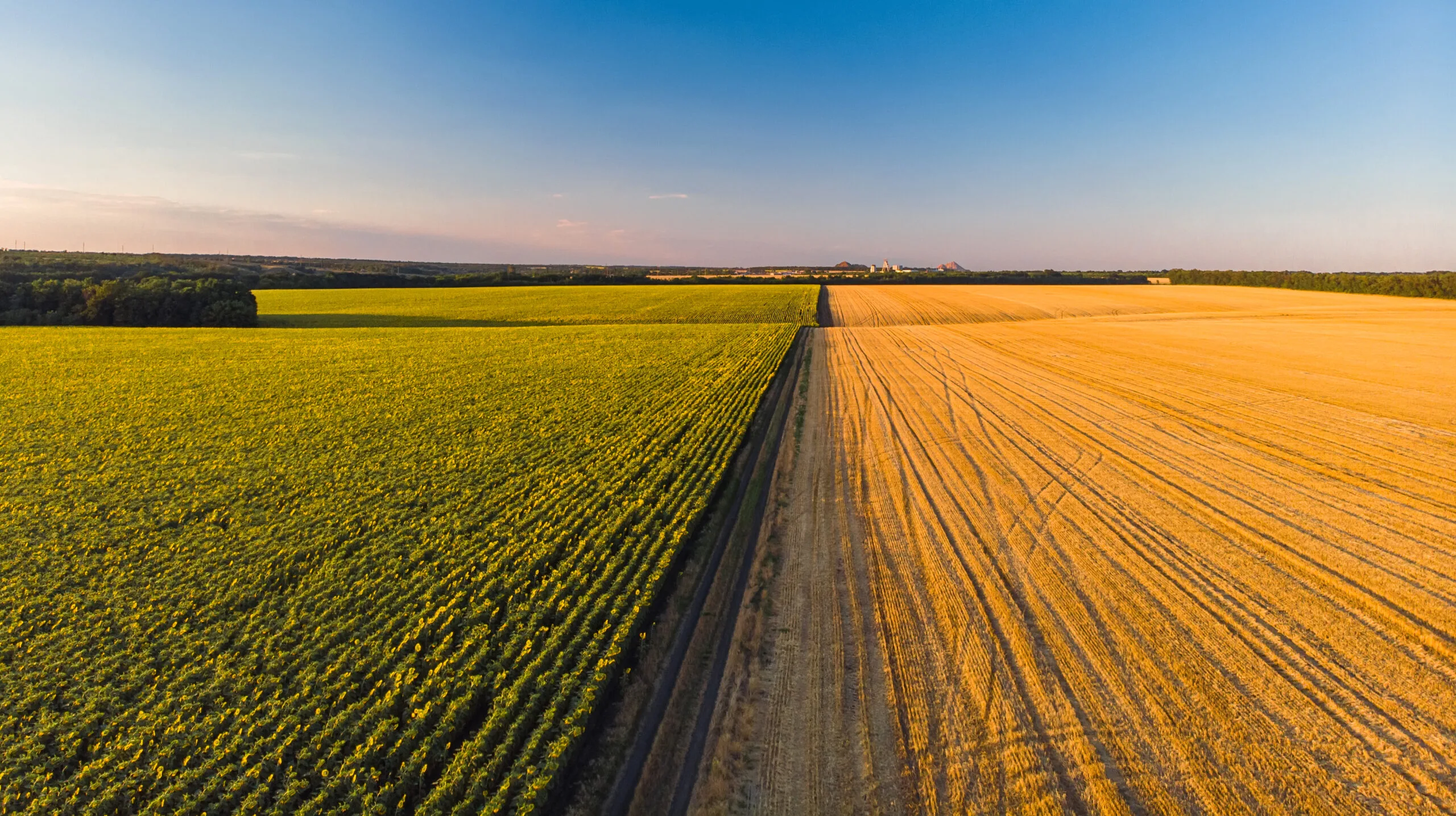
Around 46% of agricultural biomass in the EU remains as residue after harvest, despite being an annually renewable and practically inexhaustible resource. According to the Joint Research Centre (JRC) of the European Commission, nearly half of this biomass is classified as residual. The main reasons include the lack of infrastructure for collection and processing and the economic inefficiency of transporting low‑density raw biomass. Even so, the potential is significant – more than 30% of this residual biomass can be used to produce sustainable materials. We source our raw material within a 40 km radius of our factory, further reducing the carbon footprint and increasing overall efficiency
Why does it
matter?
wooden pallets are produced worldwide every year
trees are harvested every year for pallet production
are needed for a single tree to regenerate
Transport & Logistics
Up to 80% CO₂ reduction in empty‑pallet transport
GP pallets per 1.80 m stack

GP pallets in a 40’HC container

GP pallets in a standard truck
What we did
so far?
emissions in production compared to a wooden pallet
from locally sourced agricultural residues
saved from being harvested every year
At the end of the pallet lifecycle

Composting
Sunflower husk contains high levels of potassium and naturally degrades in the soil, improving its fertility

Recycling
Mechanical shredding and reuse as raw material for new products, such as pallets, boards, composite materials, etc.

Energy recovery
Thanks to its high calorific value, sunflower husk can be cleanly utilized in waste‑to‑energy facilities.
Production Technology
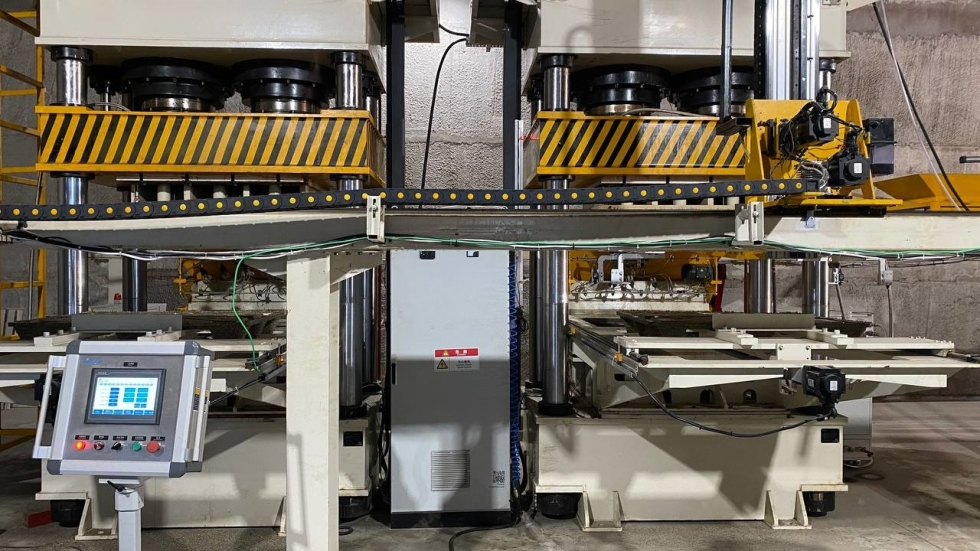
The pallets are produced from already available agricultural residues, without any additional exploitation of natural resources. They are exempt from ISPM 15 requirements due to the specific manufacturing process involving high pressure and temperature, as well as the fact that they contain no wood and pose no risk of pest transmission.
The biomass used has a naturally low moisture content, eliminating the need for pre‑drying and resulting in significant savings of energy and time. Production is carried out on fully automated lines equipped with energy‑efficient systems that ensure smooth and sustainable operation. No water – a valuable and limited resource – is used at any stage of the process.
If you want to learn more about our eco-friendly process, contact us here.
Explore our pallets